

Traditional names for each full moon in a year often come from various sources, including Native American, Colonial American, and other North American folklore. These names were used to track the seasons and often reflect the nature or activities common during that time in the Northern Hemisphere.
Here is a quick guide to the names of the full moons for the year, along with their origins.

January 3 | Wolf Moon
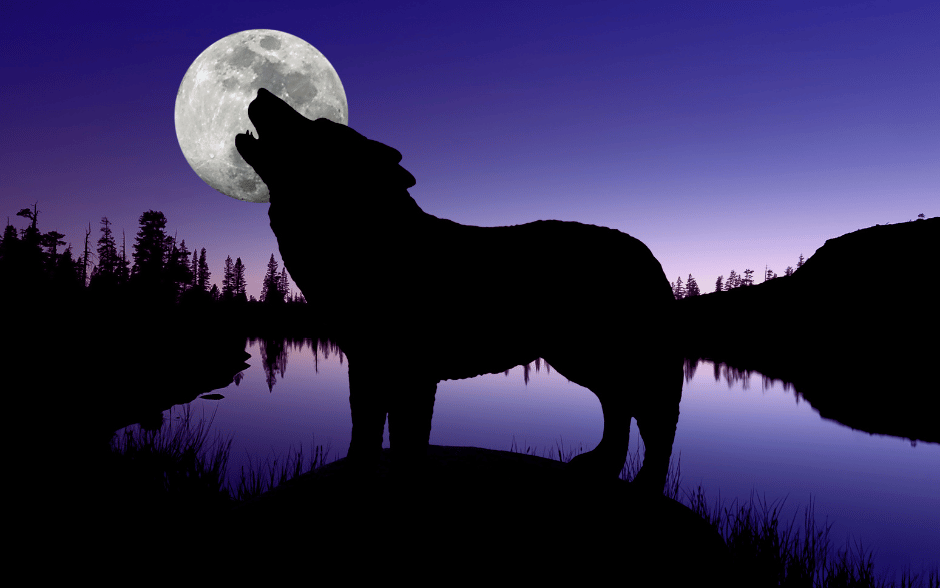
The January full Moon is called the Wolf Moon because wolves seemed to howl more during this time for reasons such as communicating across distances to connect with their pack or from hunger.
February 1 | Snow Moon
The February full Moon is called the Snow Moon because this name is attributed to the typically heavy snowfall that occurs in February in many northern regions.
March 3 | Worm Moon
The March full Moon is called the Worm Moon because the thawing of the ground around this time brings the reappearance of earthworms, which in turn attract birds – a sign of spring.
April 2 | Pink Moon
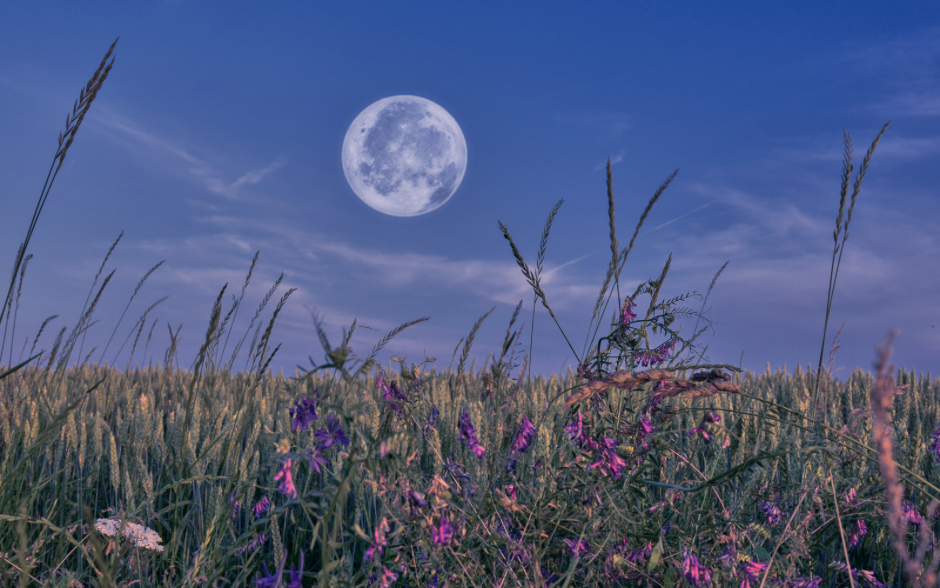
The April full Moon is called the Pink Moon—in name only not color. This moon is named for the pink flowers–phlox–and other flowers that bloom in the early spring. It’s a symbol of the new blooms and growth of this time.
May 1 and May 31
The May full Moon is called the Flower Moon due to the abundance of flowers that typically bloom in this month. There will also be a second full Moon in May. Second full Moons in a month are always called a Blue Moon.
June 29 | Strawberry Moon
The June full Moon is called the Strawberry Moon. This moon gets its name from the short season for harvesting strawberries in northeastern North America.
July 29 | Buck Moon
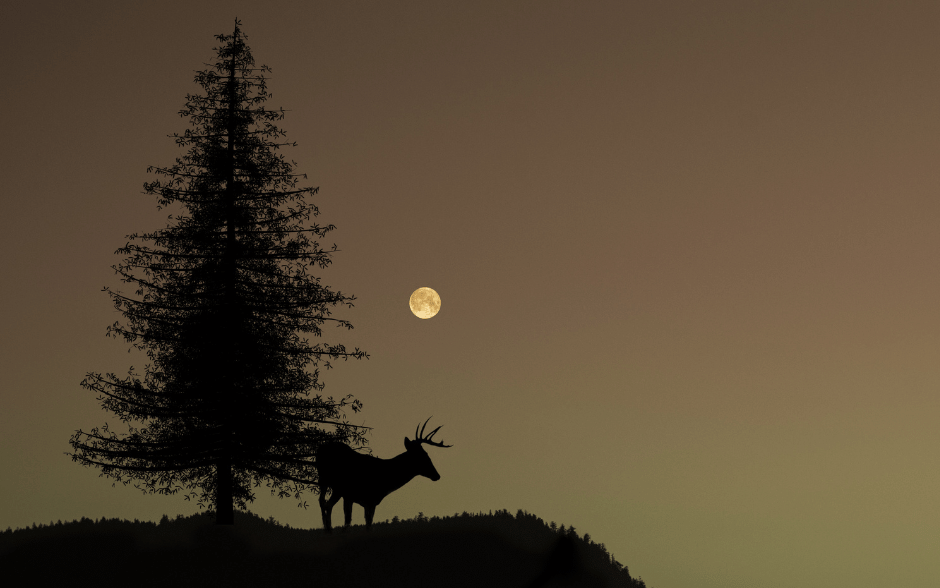
The July full Moon is called the Buck Moon because it is around the time when new antlers of buck deer begin to grow with coatings of velvety fur.
August 28 | Sturgeon Moon
The August full Moon is called the Sturgeon Moon because Tribes by the Great Lakes and other bodies of water named this moon for the large number of fish, particularly sturgeon, caught during this month.
September 26 | Corn Moon
The September full Moon is called the Corn Moon because this is the time of year that corn is often harvested.
October 26 | Harvest Moon
The October full Moon is called the Harvest Moon. This moon is the full moon that occurs closest to the autumn equinox, representative of the time of year when many crops are harvested.
November 24 | Beaver Moon
The November full Moon is called the Beaver Moon because this was around the time of year to set beaver traps before the swamps freeze, to ensure a supply of warm winter furs.
December 24 | Cold Moon
The December full Moon is called the Cold Moon because of the cold temperatures and long, dark days.


