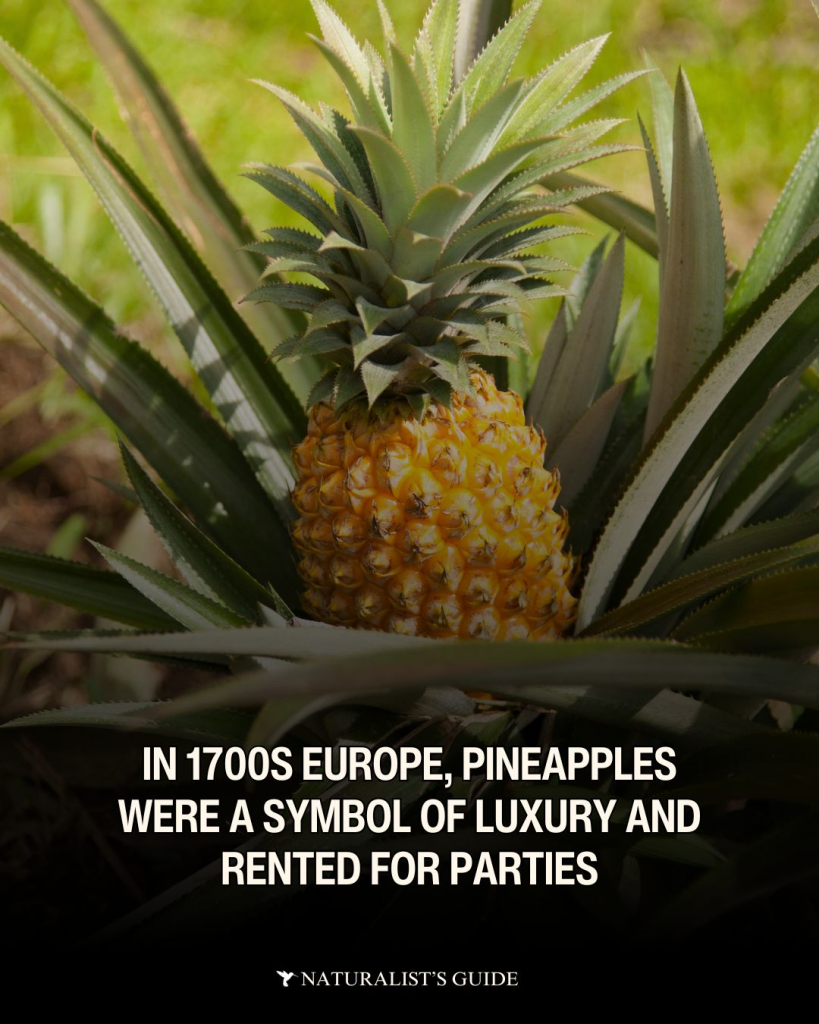
In 1700s Europe, pineapples were a symbol of luxury and rented for parties
In 1700s Europe, pineapples were a symbol of luxury and rented as centerpieces for parties.
Learn more at https://www.ancient-origins.net/weird-facts/pineapples-0016728
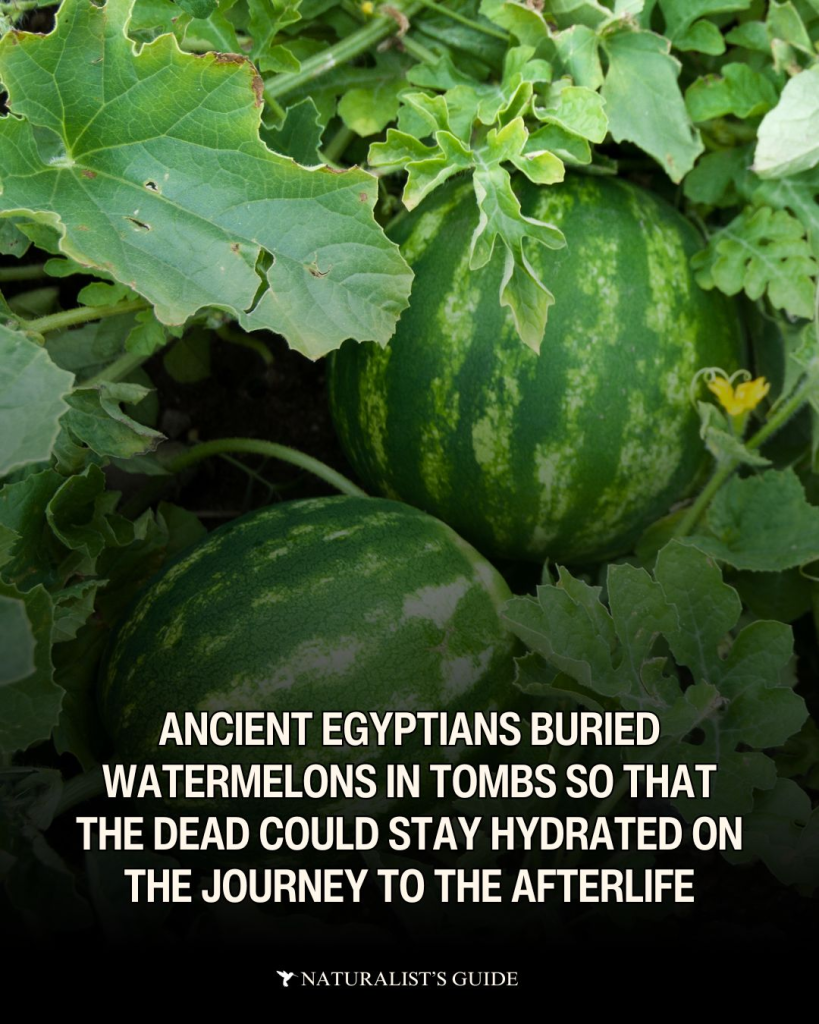
Ancient Egyptians buried watermelons in tombs so that the dead could stay hydrated on the journey to the afterlife
Ancient Egyptians buried items in tombs because they believed in an afterlife where the dead would need objects, food, and tools to support the soul on its journey to the next world. Watermelons were buried in tombs so that the dead could stay hydrated on the journey to the afterlife.
Learn more at https://www.science.org/content/article/ancient-egyptians-feasted-watermelons-too-according-find-ancient-tomb
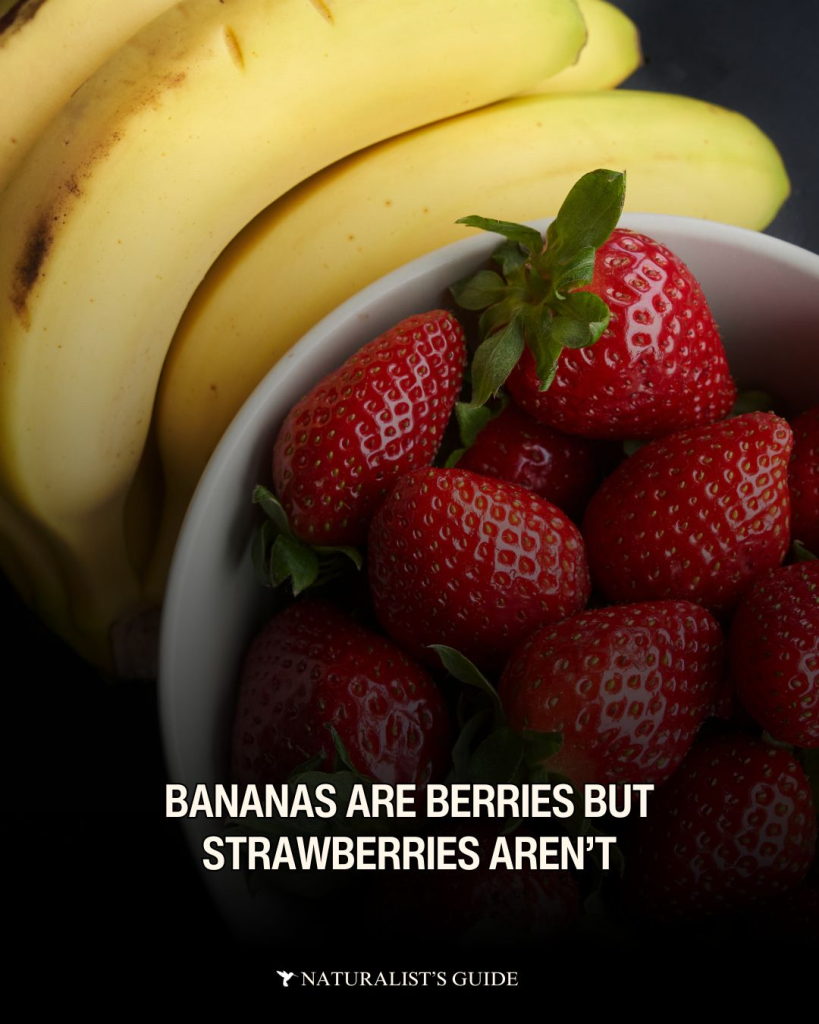
Bananas are berries but strawberries aren’t
Bananas are berries but strawberries aren’t. Botanically, bananas are berries because their seeds are on the inside. Strawberries aren’t berries since their seeds are on the outside.
Learn more at https://stanfordmag.org/contents/bananas-are-berries
Tomatoes are a fruit but were declared a vegetable by the Supreme Court for tax purposes
Tomatoes are a fruit, but the Supreme Court declared them a vegetable in 1893 for tax purposes. Botanically, tomatoes are a fruit because they develop from a flower and contain seeds. The Supreme Court declared tomatoes a vegetable because the government could collect import taxes on veggies and not fruit. The logic is that tomatoes are commonly used like vegetables in cooking, so they could be taxed like one.
Learn more at https://www.npr.org/sections/money/2013/12/26/256586055/when-the-supreme-court-decided-tomatoes-were-vegetables
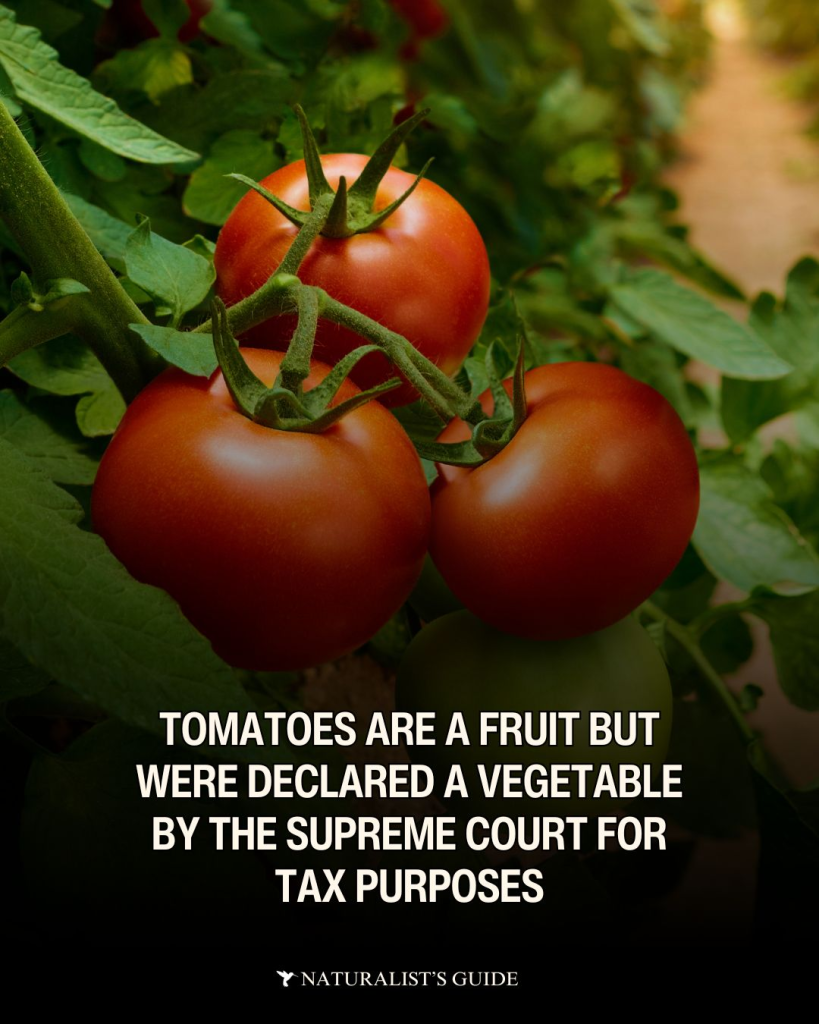
Lemons are not naturally occurring in the wild—they’re a hybrid of citron and bitter orange
Lemons are not naturally occurring in the wild—they’re a hybrid of citron and bitter orange resulting from cross-pollination.
Learn more at https://www.bbc.com/news/science-environment-42960445
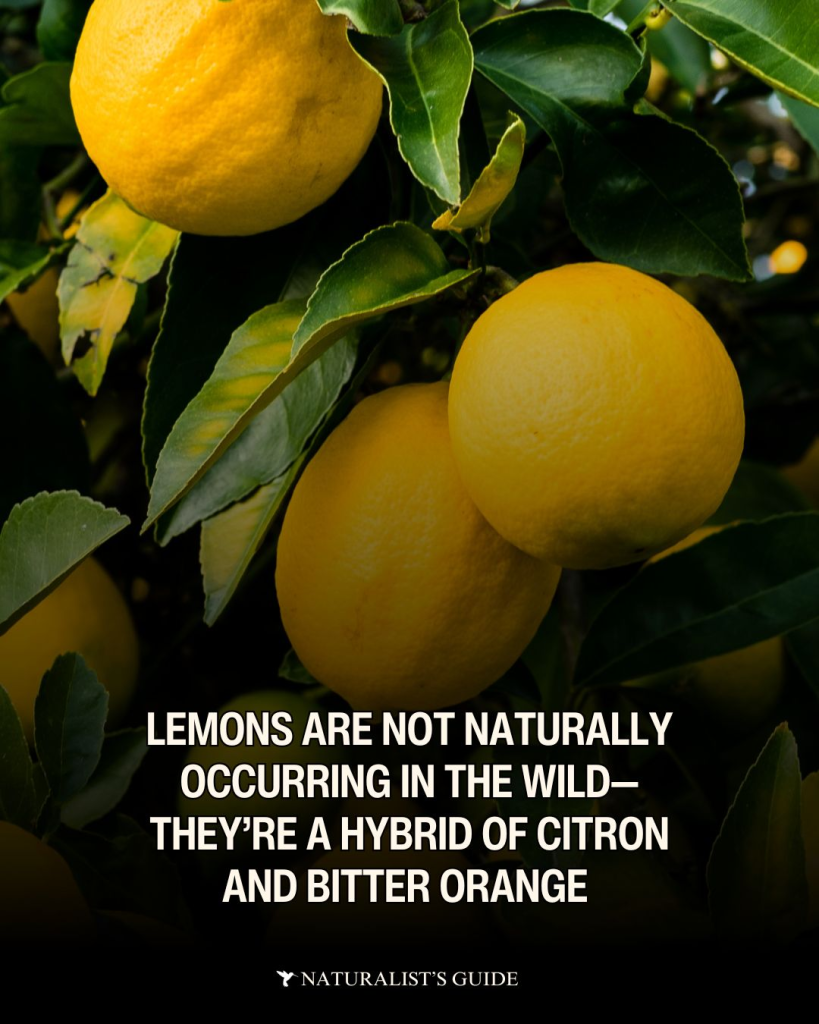
In folklore, lemons are believed to ward off evil and attract love.
In folklore, lemons are believed to ward off evil and attract love.
Learn more at https://marblecrowblog.com/2024/08/14/lemon-folklore-and-magical-properties/
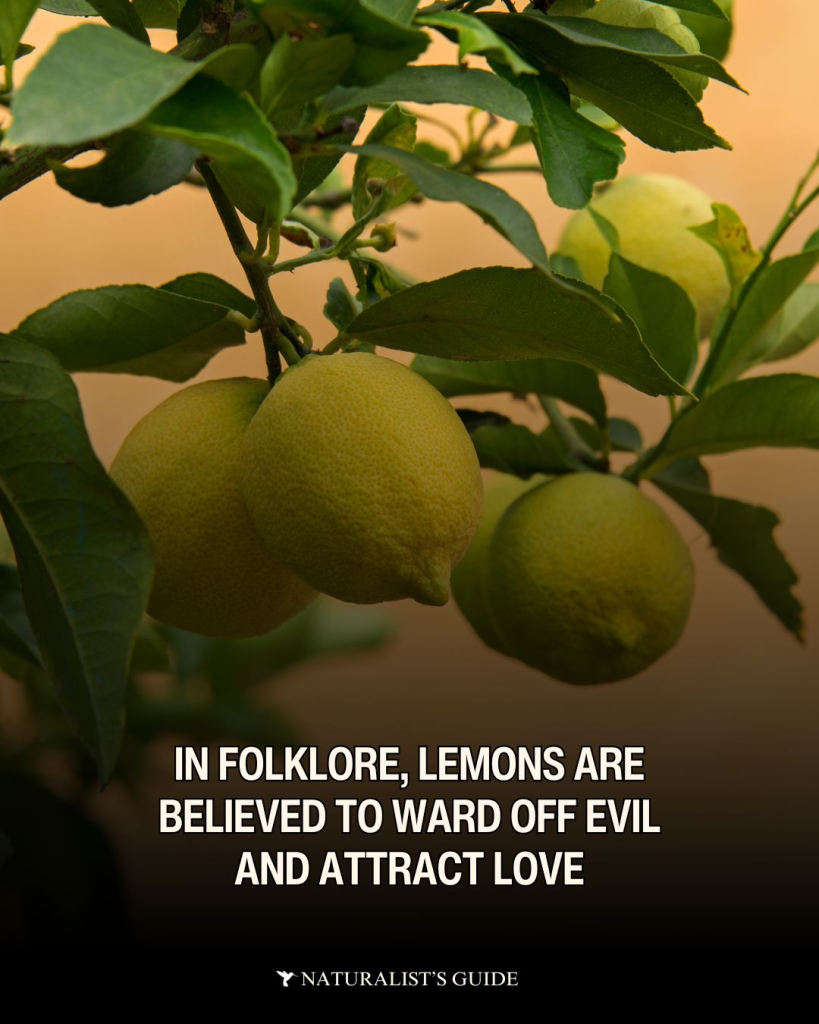
Cherries are a natural source of melatonin which supports better sleep
Cherries are rich in melatonin, vitamin A, vitamin C, and magnesium.
Learn more at https://www.sleepfoundation.org/nutrition/tart-cherry-juice
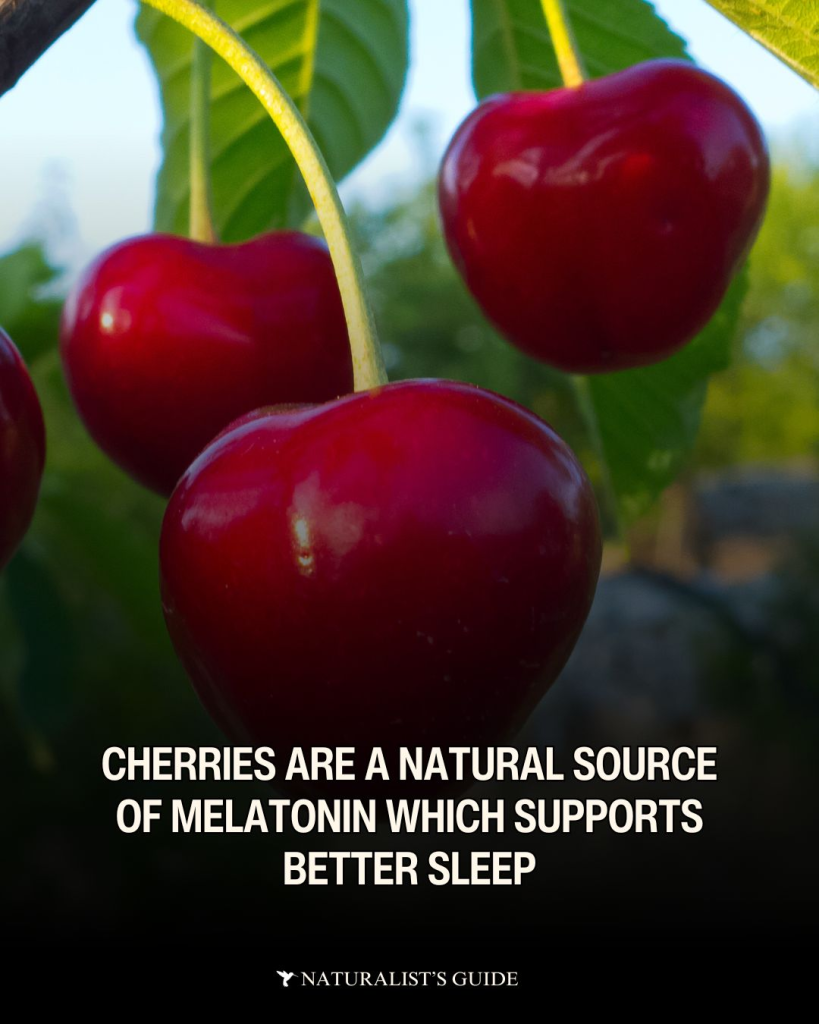
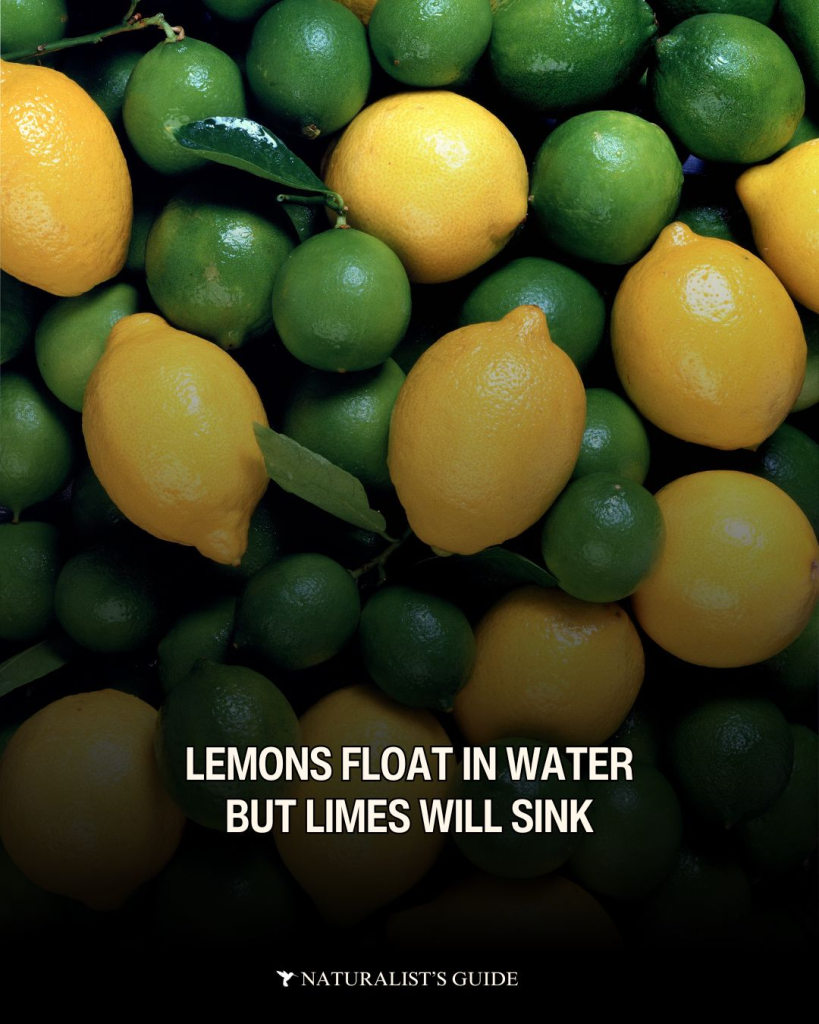
Lemons float in water but limes will sink
Lemons float in water but limes will sink due to different densities.
See more at https://www.youtube.com/shorts/zPKml_UXN84
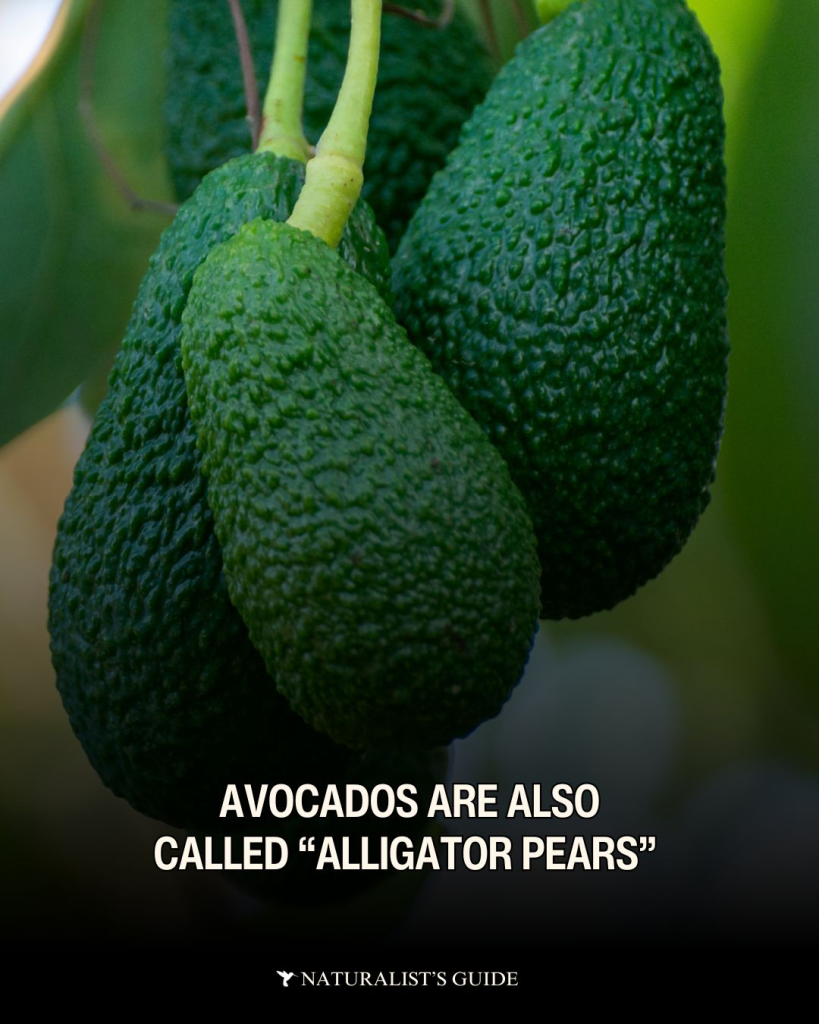
Avocados are also called “alligator pears”
Avocados are also called “alligator pears” because of their rough skin and shape. They’re also known as “butter fruit” in India and Hong Kong. Avocados are technically berries and not vegetables.
Learn more at https://www.nature.com/articles/105408a0
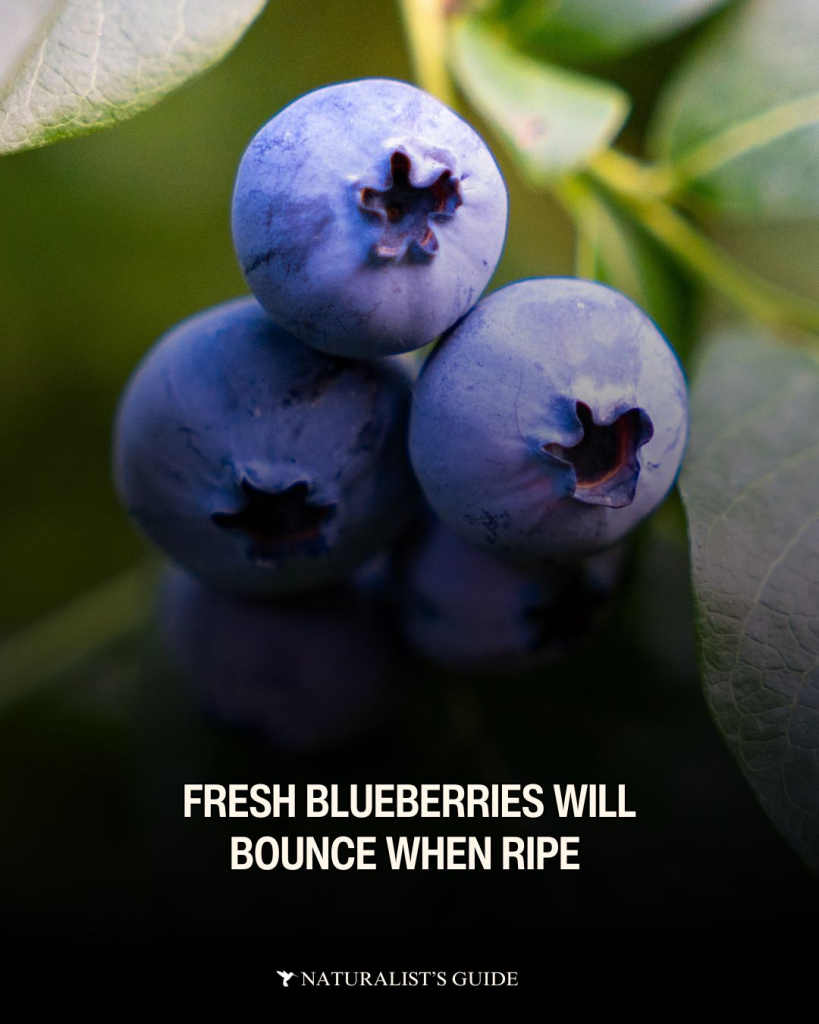
Fresh blueberries will bounce when ripe
Some fresh berries will bounce when ripe due to air pockets in the skin. A bounce test can be done on blueberries, lingonberries, and cranberries to test for ripeness.
Learn more at https://www.northcoastjournal.com/eatdrink/berries-with-bounce-3449670
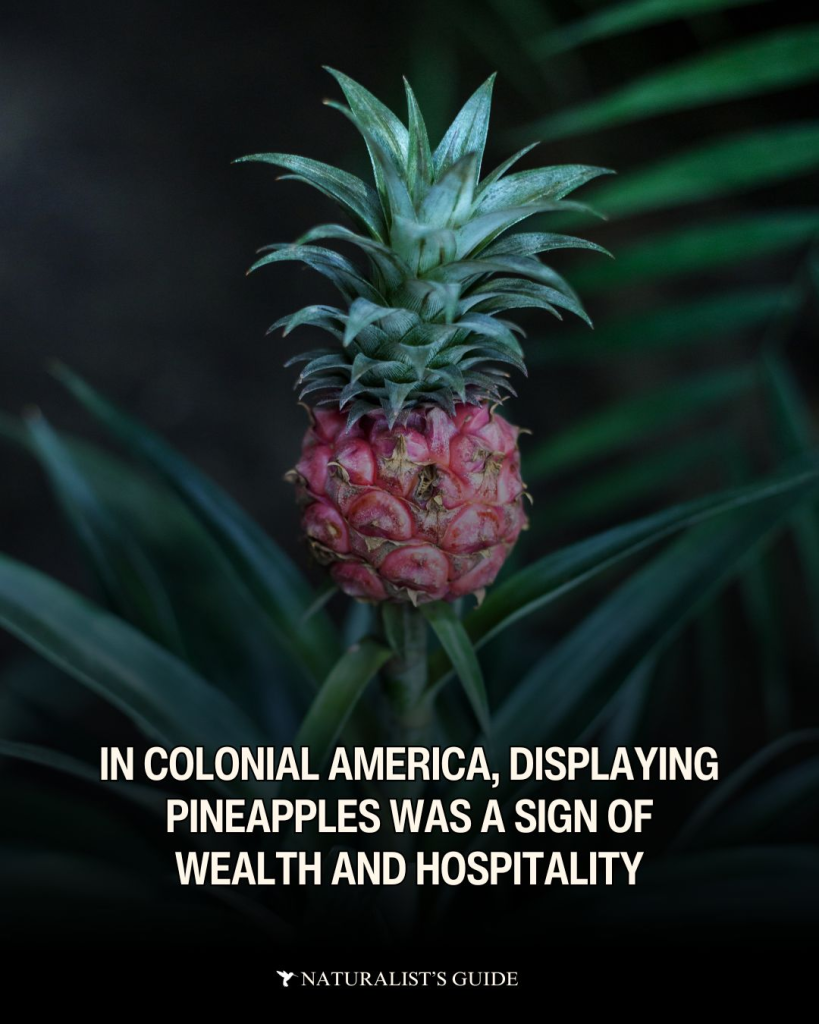
In colonial America, displaying pineapples was a sign of wealth and hospitality.
In colonial America, displaying pineapples was a sign of wealth and hospitality.
Learn more at https://www.mountvernon.org/library/digitalhistory/digital-encyclopedia/article/pineapples
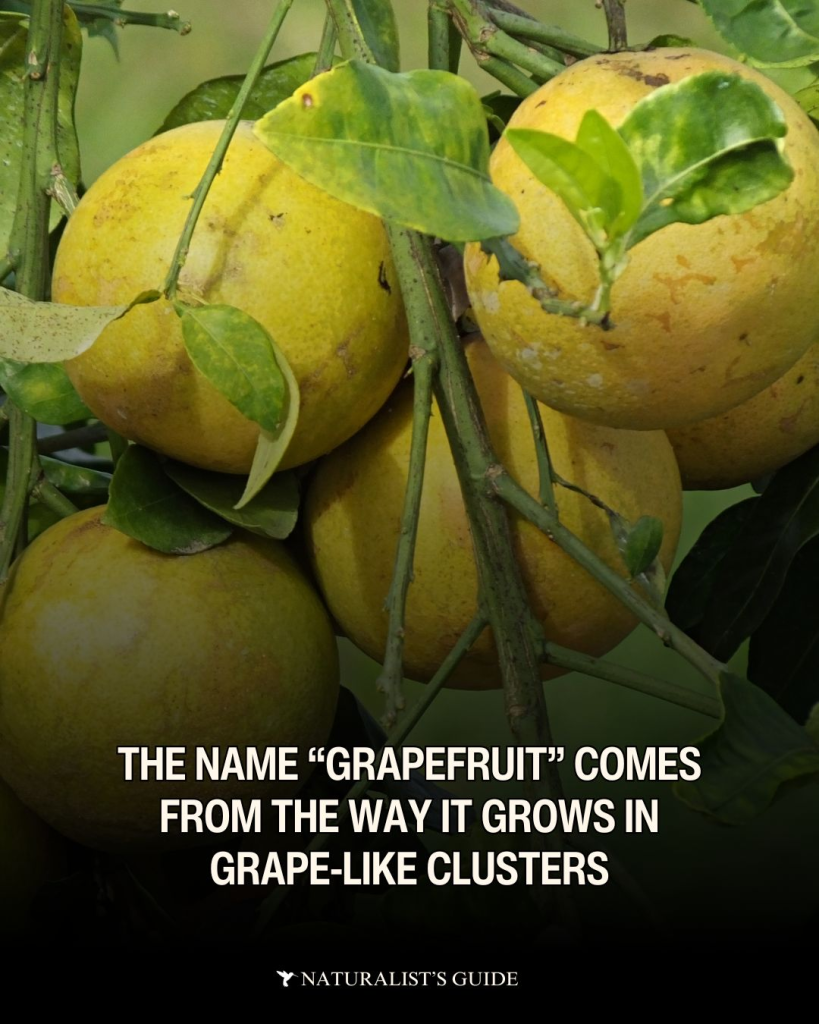
The name “grapefruit” comes from the way it grows in grape-like clusters
The name “grapefruit” comes from how it grows in grape-like clusters.
Learn more at https://www.loc.gov/everyday-mysteries/agriculture/item/how-did-grapefruit-get-its-name-it-doesnt-look-like-a-grape/